

Popular

$29.91 (ex-GST)
$32.90 (inc-GST)
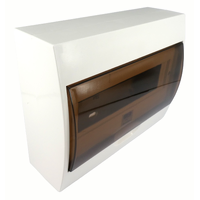
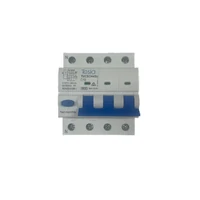
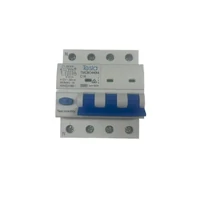
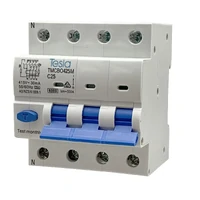
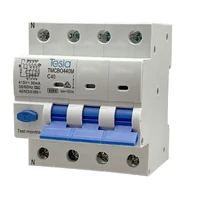
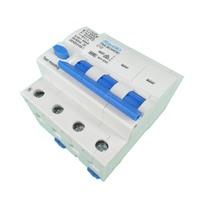
Shop RCBOs (safety switch combinations) that deliver earth leakage and overcurrent protection in a single device, with single pole and multi-pole DIN rail options for domestic, commercial and industrial switchboards.
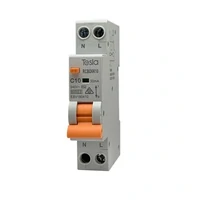
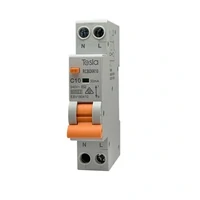
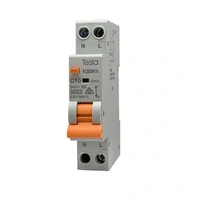
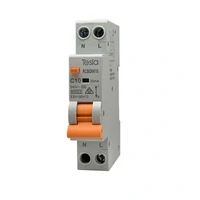
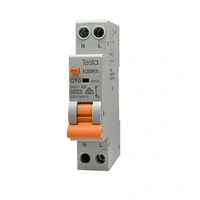
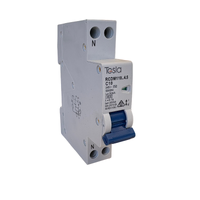
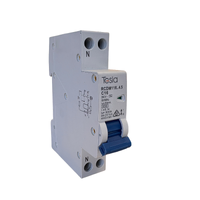
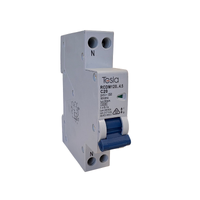
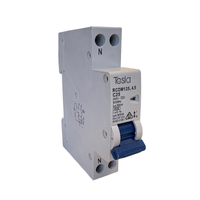
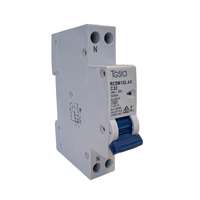
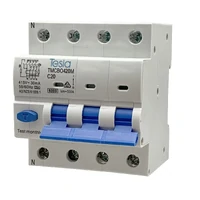
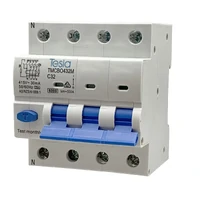


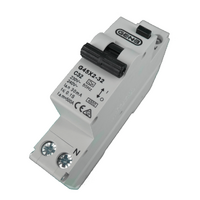

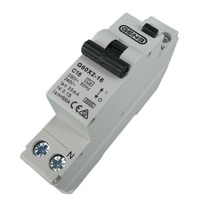
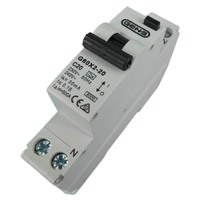
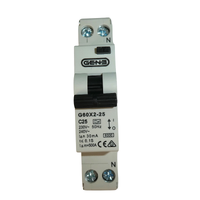

Earth Leakage and Overcurrent Protection in One Device
An RCBO combines a safety switch and a circuit breaker in one compact unit. It disconnects the circuit when it detects earth leakage, helping protect people from electric shock, and it also trips on overloads and short circuits to protect the cabling. Because each RCBO looks after its own circuit, a fault only takes out the circuit it occurs on, so the lights, power and equipment on the rest of the board stay on.
Our range includes single pole, double pole and multi-pole RCBOs for single-phase and three-phase circuits, with a choice of trip curves, breaking capacities and RCD types to suit domestic boards, commercial fit-outs and industrial switchgear. Space-saving designs make it easier to give every circuit its own protection in a crowded switchboard, while multi-pole models suit three-phase equipment, site distribution boards and portable power for events, construction and mobile installations.
All our products are made to Australian standards, and our team of experienced electricians works behind the scenes, so you are buying from people who know switchboards inside out. Use the filters to narrow down by amps, trip curve, breaking capacity and module width, then pair your RCBOs with MCBs, main switches and insulated busbars from our circuit protection range to complete the board.
Frequently Asked Questions (FAQs)
What is an RCBO?
An RCBO (residual current breaker with overcurrent protection) is a safety switch and a circuit breaker combined in one device. It switches off the circuit when it detects current leaking to earth, reducing the risk of electric shock, and it also trips on overloads and short circuits to protect the circuit's cabling. RCBOs for household and similar installations are made to AS/NZS 61009.1.
What is the difference between an RCBO and an RCD?
A standalone RCD (safety switch) only detects earth leakage and often protects several circuits at once, so a single fault can switch them all off. It also relies on separate circuit breakers for overload and short circuit protection. An RCBO provides both earth leakage and overcurrent protection for one circuit, so a fault only trips the circuit it occurs on and the rest of the switchboard stays on.
What does Type A mean on an RCBO?
The type describes which kinds of earth leakage current the device can detect. A Type AC device responds to standard alternating residual current. A Type A device detects alternating current and also pulsating DC residual current, which can be produced by equipment with electronic power supplies, so it offers broader protection. Your electrician will confirm which type suits the circuit and the requirements of the Wiring Rules (AS/NZS 3000).
Do I need a single pole, double pole or four pole RCBO?
Single pole RCBOs switch the active conductor and are a common choice for single-phase final subcircuits where switchboard space is tight. Double pole RCBOs switch both the active and the neutral, which some installations call for. Four pole RCBOs protect three-phase circuits, switching all three actives and the neutral. The right choice depends on the circuit, the switchboard and the installation requirements, so check with your electrician.
How often should an RCBO be tested?
Most RCBOs have a test button that simulates an earth leakage fault, and pressing it regularly, as the manufacturer recommends, confirms the trip mechanism works. The test button does not measure tripping time, so a full test with an RCD tester should be done by a licensed electrician. In workplaces, RCDs and RCBOs may also need periodic testing under work health and safety requirements.
Can I install an RCBO myself?
No. In Australia, installing, replacing or modifying an RCBO in a switchboard is electrical work that must be carried out by a licensed electrician. Your electrician will confirm the device suits the circuit, the switchboard and the requirements of the Wiring Rules before it is put into service.
We Recommend